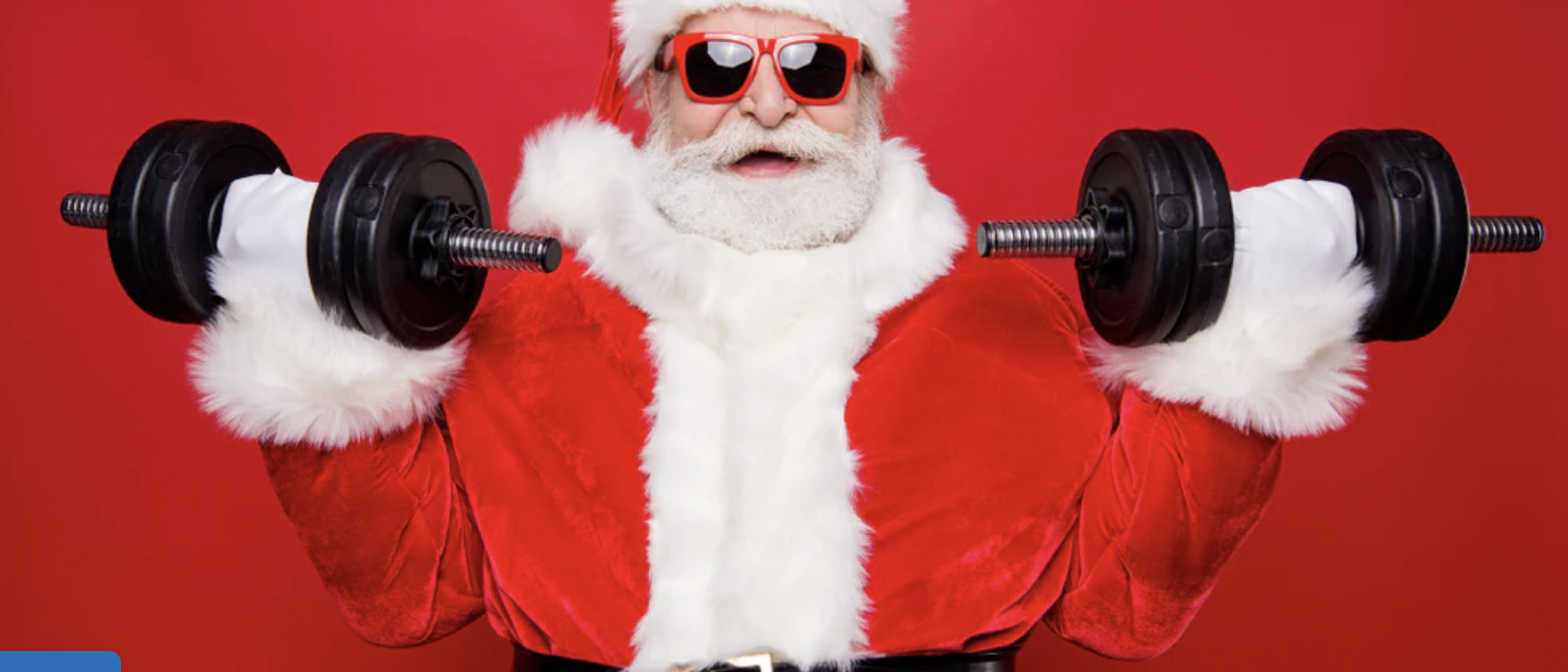
Christmas is a brilliant time of year. Family, food, treats, late nights, and a well-earned break from routine. But it’s also the time when movement drops, energy levels dip, and habits slip just enough to make January feel like a struggle. Whether you’re a junior squash player, a busy adult, or a parent juggling everything at once, staying even a little bit active over Christmas can make a huge difference.
Here are five powerful reasons why keeping active over the festive period is one of the best gifts you can give yourself (or your child).

1️⃣ Exercise Boosts the Brain’s “Feel-Good” Chemicals
Exercise doesn’t just work muscles, it works the brain too. When we move, our body releases powerful neurotransmitters:
Dopamine (motivation & focus)
Serotonin (mood & emotional balance)
Endorphins (natural happiness & stress relief)
Oxytocin (connection, confidence, belonging)
Research shows that people who exercise regularly have a 20–30% lower risk of depression, largely due to these chemical changes in the brain.
This is especially important over Christmas, when routines disappear and motivation often drops - particularly for juniors who go from structured school and training to long days indoors.
Even 20–30 minutes of movement can noticeably lift mood, energy, and mindset.
Tips to Improve:
On-Court Tip:
Try multi-directional ghosting with quick starts - from the T, react to visual cues (like a coach’s hand signal or a shouted corner) and explode into movement. Focus on short, sharp steps and recovering fast.
(Work for 15-20 seconds, rest 20 seconds, repeat 8-10 times.)Off-Court Tip:
Incorporate plyometric training such as squat jumps, lateral bounds, box jumps or dare I say it - burpees!
Example: 3 sets of 8-10 reps with full recovery between sets to maintain quality and explosiveness.
2️⃣ Staying Active Helps Balance Out Festive Food (Without Guilt)
Christmas food is part of the joy and it should be enjoyed. The challenge comes when festive eating combines with long periods of inactivity, which can lead to low energy, poor sleep, and that heavy, sluggish feeling.
Research shows that over the Christmas period, adults typically gain around 1–2 lb (0.4–0.9 kg) on average - not because of food alone, but because activity levels drop significantly.
Movement helps by:
Improving how the body processes sugar
Supporting digestion
Preventing energy crashes
This isn’t about “burning off” food, it’s about helping the body cope better so you feel good, not flat.
3️⃣ Movement Keeps Your Squash Brain Sharp
Squash is one of the most mentally demanding sports:
Fast reactions
Decision-making under pressure
Anticipation and coordination
When movement stops completely, those skills dull surprisingly quickly.
Studies show that during school holidays, children’s daily energy expenditure drops by around 5%, reflecting less high-quality movement and coordination.
Keeping active even without full training helps maintain:
Neural pathways
Timing and footwork
Confidence on court
For juniors, this means less frustration returning in January.
For adults, it means fewer aches, fewer injuries, and a quicker rhythm when play resumes.
4️⃣ Exercise Supports Better Sleep (For Kids and Adults)
Christmas is fantastic but it’s tough on sleep. Late nights, excitement, screens, sugar, and broken routines can quickly disrupt sleep quality. Regular physical activity is strongly linked with better sleep duration and deeper sleep, helping regulate circadian rhythm and calming the nervous system.
Research shows that people who meet basic activity guidelines consistently report better sleep quality and mental wellbeing than inactive individuals.
Better sleep means:
Improved mood
Better emotional control (especially for juniors)
More energy during the day
Which makes Christmas more enjoyable for everyone involved.
5️⃣ Consistency Beats “Starting Again” in January
The biggest issue with Christmas inactivity isn’t the break, it’s the complete stop.
Research shows that in winter, only around 24% of people exercise regularly, compared to nearly double that number in summer.
When movement stops entirely:
Motivation drops
Confidence drops
January feels overwhelming
Staying a little bit active keeps habits alive and makes returning to squash far easier and more enjoyable.
Think maintenance, not perfection. Two short sessions a week beats zero every time.
🎁 The Take-Home Message
You don’t need to train hard.
You don’t need to avoid treats.
You don’t need a perfect routine.
You just need to keep moving.
Because movement:
Boosts mood
Supports health
Protects confidence
Makes January easier
👉 A Gentle Nudge
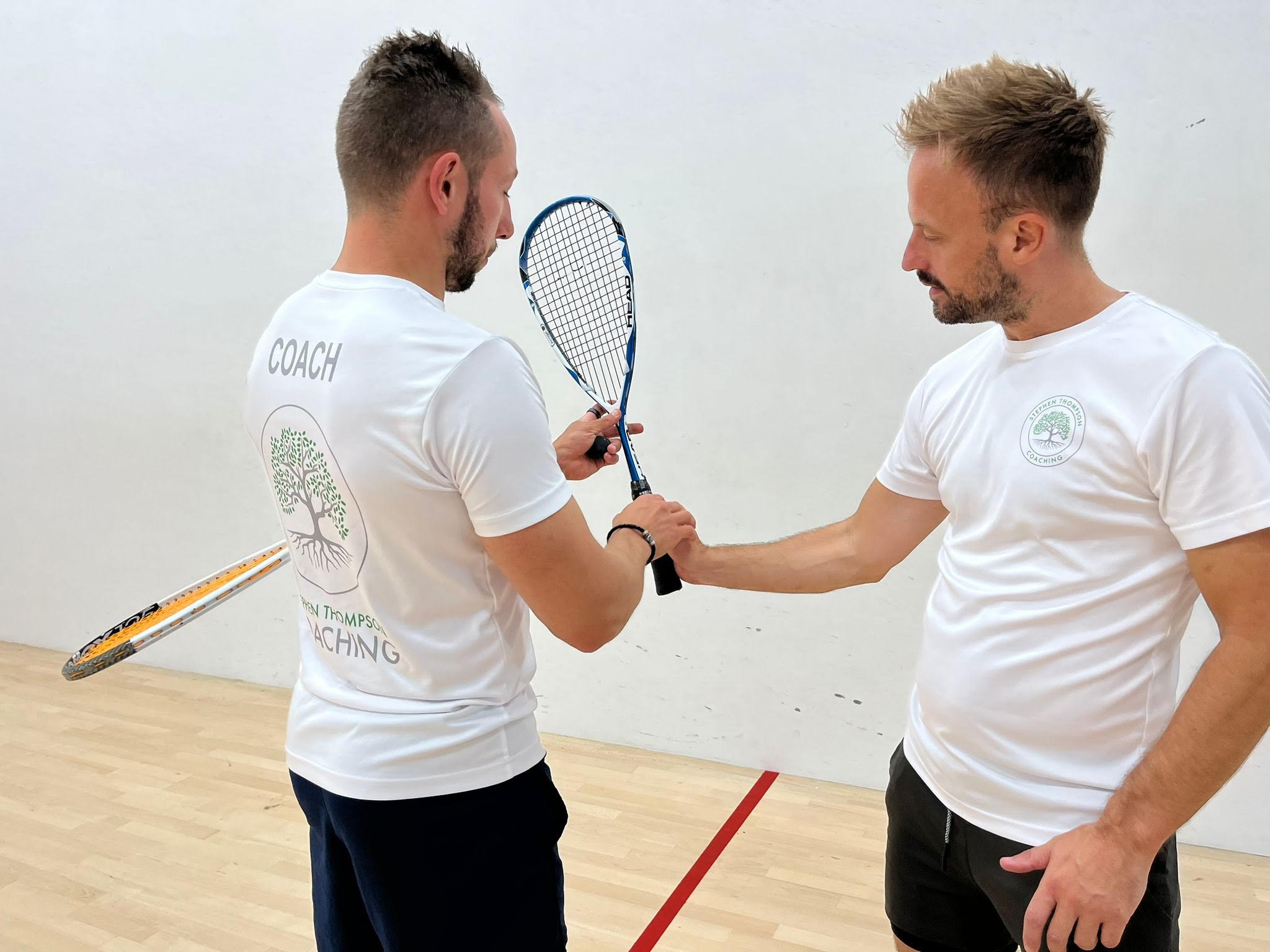
If you’re looking for something simple, structured, and enjoyable to keep you (or your child) moving over Christmas, our festive sessions are designed to do exactly that.
Low pressure. High value. Just enough consistency.
Want some help building your fitness? Book a Squash Fitness Assessment with me below:
Click HERE to book a Squash Fitness Assessment with Stephen.
Enter your email below to join our mailing list for more useful content about squash.