The Three Types of Training Every Squash Player Needs
Why playing more matches isn’t always enough to improve your game.
If you want to become a better squash player, simply playing more matches may not be enough. I have been on a personal mission to increase my Squashlevel over the last few years, and I have thrown everything at it to get my Squashlevel from the 9,000’s up to the14,000 and 15,000’s, and boy I can tell you I wish it was just matches that would do the trick!
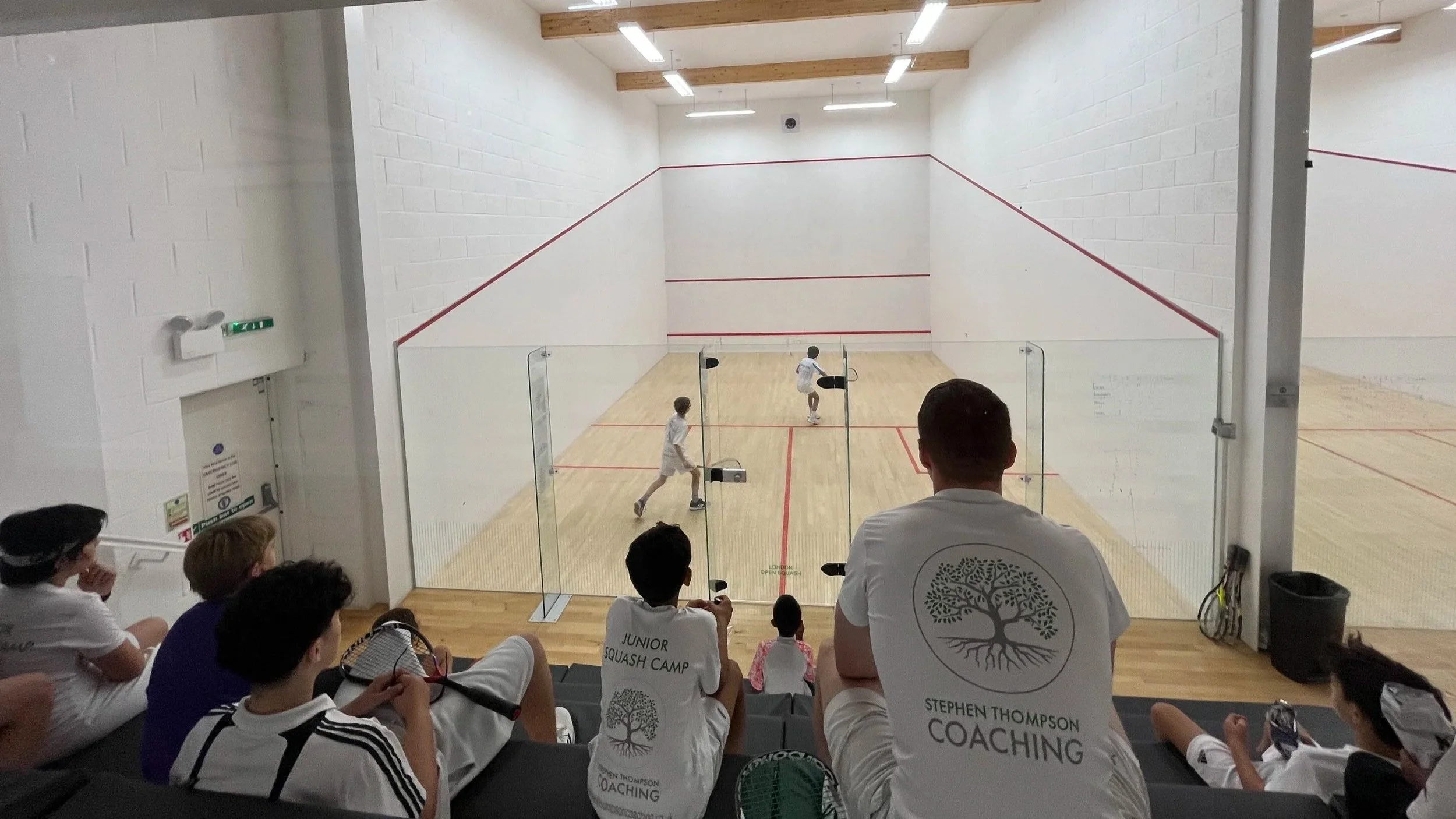
Matches are important. They test your skills, fitness and decision-making under pressure. However, matches don’t always give you the time to isolate weaknesses, practise new techniques or understand why certain things are going wrong.
To develop a more complete game, every squash player - junior or adult - needs three types of training: technical, physical and tactical.
1. Technical Training: How You Hit the Ball
Technical training develops your ability to control the racket and the ball.
It includes areas such as:
Swing technique and preparation
Accuracy and consistency
Controlling the height, pace and direction of the ball
Volleying and taking the ball early
Developing attacking shots
Hitting effectively when under pressure
One of the biggest mistakes players make is only practising a shot until they can play it successfully once. The real goal is to make that shot reliable enough to use during a competitive match.
Technical training should therefore progress gradually. You might begin by hitting from a controlled feed, then introduce movement, decision-making and increasing levels of pressure.
Good technique gives you more options. The more confidently you can control the ball, the more effectively you can put your ideas into action on court.
2. Physical Training: How You Move and Perform
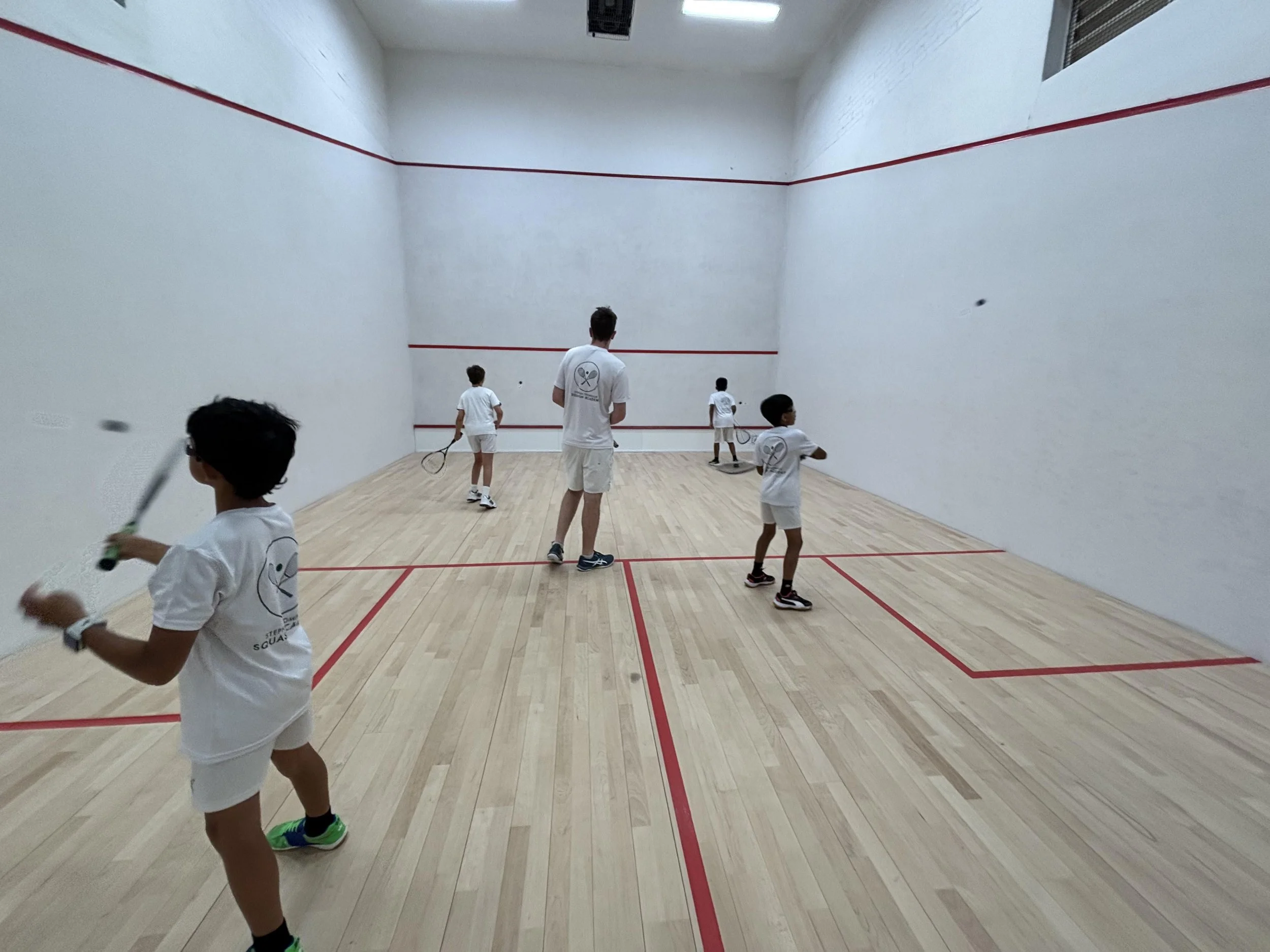
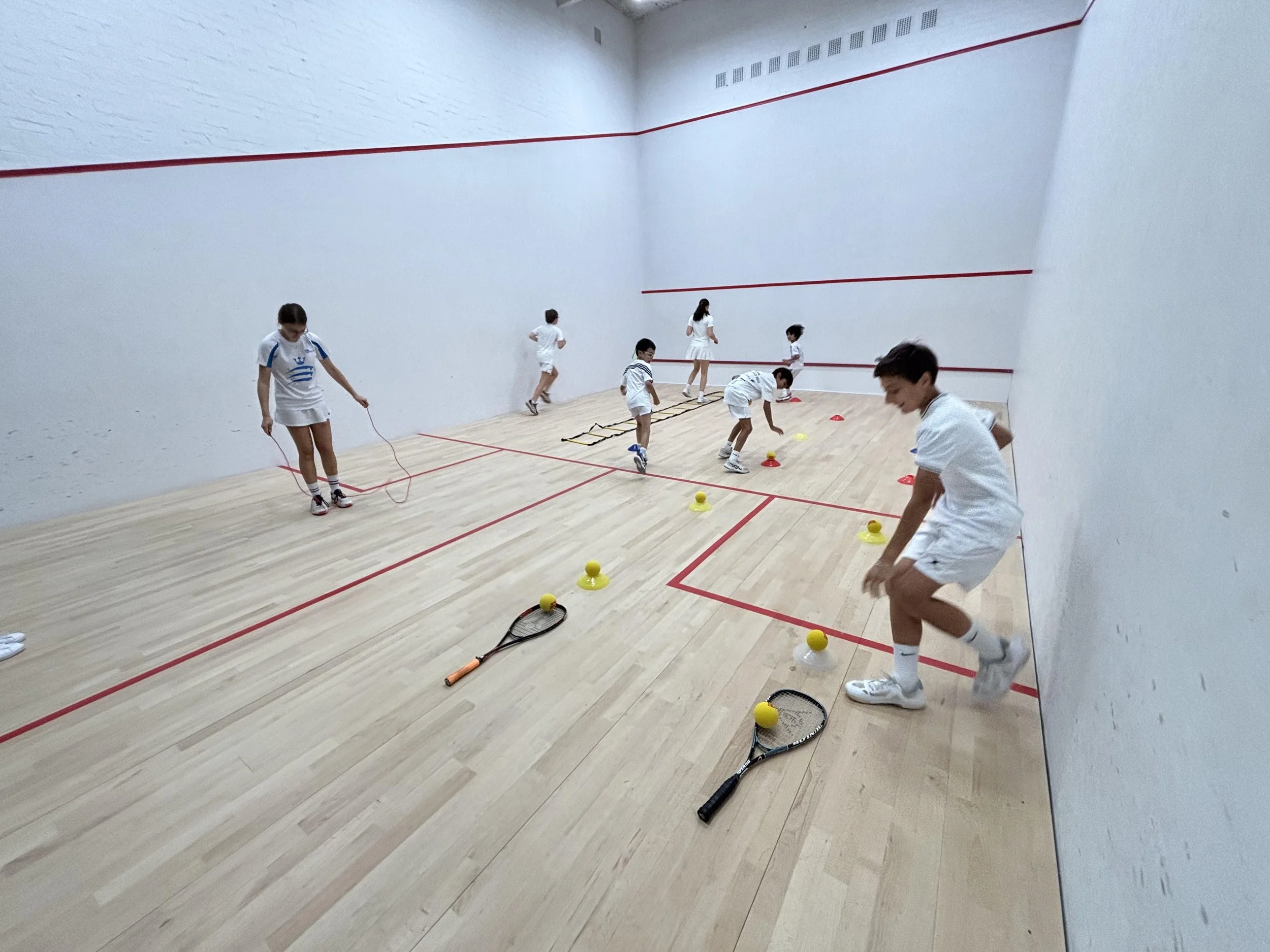
Squash places significant demands on the body. Players must accelerate, stop, change direction, reach difficult balls and recover repeatedly - often while tired.
Research involving elite squash players found that their average heart rate during simulated match play was 92% of their maximum - and they spent 69% of the match above 90% of their maximum heart rate.
Physical training should help develop:
Efficient movement around the court
Strength and stability
Speed and explosiveness
Balance when striking the ball
Endurance and recovery
The ability to maintain quality as fatigue increases
Physicality isn’t only about becoming fitter. Better movement can help you reach the ball earlier, arrive in a more balanced position and recover more effectively for your opponent’s next shot.
You don’t necessarily have to spend hours running or lifting weights. Ghosting, movement patterns, conditioned games and appropriate strength exercises can all make a significant difference. When your body is better prepared for the demands of squash, it becomes much easier to use your skills throughout an entire match.
3. Tactical Training: Why You Play Each Shot
Tactical training develops your understanding of the game.
It involves learning:
How to create and use space
When to attack and when to remain patient
How to move your opponent away from the middle
Which shots to play from different areas of the court
How to recognise your opponent’s strengths and weaknesses
How to adapt when your original plan isn’t working
A technically good shot isn’t always the right shot.
For example, an attacking boast may be effective when you are balanced and in front of your opponent - but much less successful when you are under pressure at the back of the court.
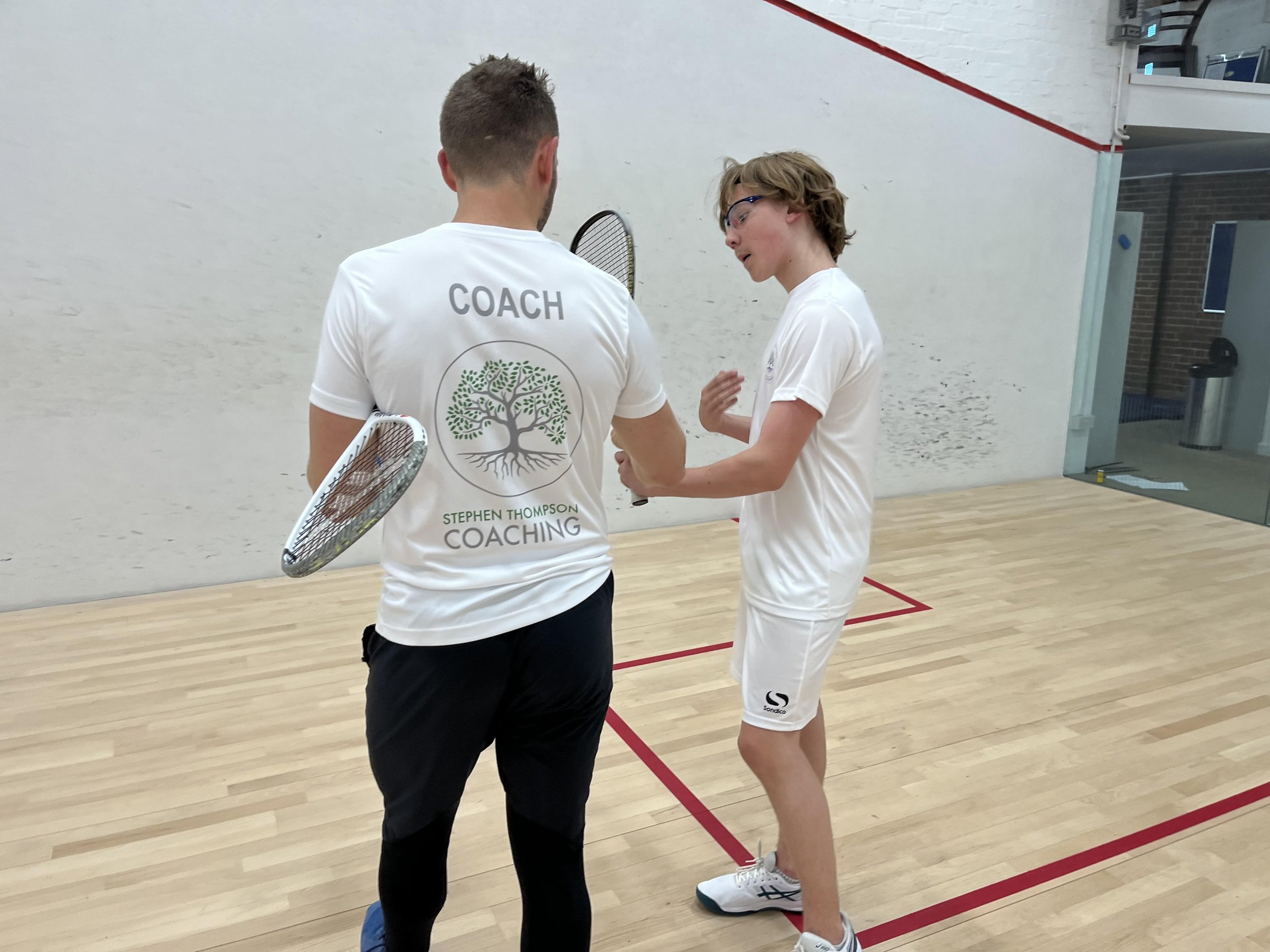
Tactical training helps you connect your shots together with a purpose. Conditioned games, coached match play and post-match discussions are excellent ways to develop this understanding.
Building the Complete Squash Player
These three areas are closely connected.
Better physical movement helps you arrive in position to use your technique. Better technique gives you more tactical options. Better decision-making helps you use your energy and abilities more effectively.
Take a moment to consider your own game:
Which area receives most of your attention - and which one are you currently neglecting?
Your next improvement might not come from simply playing another match. It could come from spending focused time on the part of your game that needs it most.
Final Thought
Both my upcoming Adult Squash Camp and Junior Squash Camps have been designed to help players develop beyond match play. Through focused coaching, purposeful practice and competitive activities, players will have opportunities to improve their skills, movement and understanding of the game.
Whether you’re a junior beginning your squash journey or an adult who has played for many years, there is always another part of your game to discover.
That process of learning is one of the things I love most about squash - and I hope to see some of you on court at one of the upcoming camps.